
A guide before choosing a breed
Which cat breed is right for your home?
Choosing a pedigree cat should start with everyday life rather than appearance: time at home, activity level, children or other pets, grooming and the kind of relationship you hope to have with your cat. Only then does it make sense to narrow the choice to a specific breed.
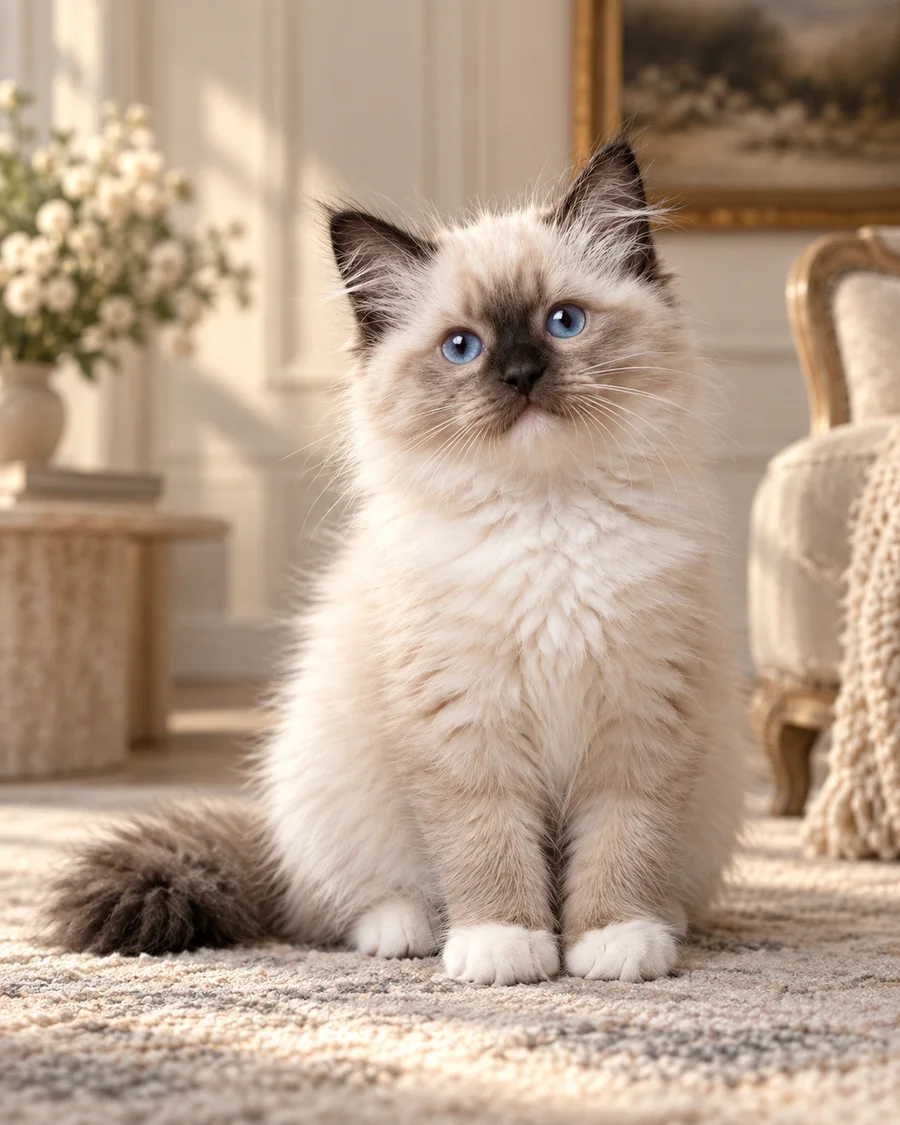
Start with the household, not the look
What to consider before choosing a cat breed
Temperament and human contact
Think about whether you want a highly social companion, a more independent cat or something in between. Breed can suggest tendencies, but it does not guarantee the personality of an individual cat.
Activity and household rhythm
Some cats need more intense play and stimulation, while others fit a quieter rhythm. The important factors are not only apartment or house size, but also daily availability and how the space is organized.
Children and other animals
In homes with children or other pets, gradual introductions, clear boundaries and a quiet retreat for the cat matter. Breed choice never replaces careful adaptation.
Coat and grooming
Before deciding, check how much grooming the coat requires and whether regular brushing fits your routine. With semi-longhaired cats, grooming should become a calm and consistent part of care.
Apartment, house and safety
A cat can thrive in an apartment when windows and balconies are secured and there are stable scratching posts, elevated places and hiding spots. Floor area alone does not create a well-designed feline environment.
When Ragdoll may be worth exploring
If you are looking for a semi-longhaired cat associated with gentleness and close human contact, Ragdoll may be a breed worth learning more about. Every kitten is still an individual, so responsible matching should consider both breed traits and the temperament of the specific cat.
Children, dogs and other cats
How a cat can fit into family life
Living together depends on more than breed. The individual cat’s temperament, calm boundaries, safe spaces and careful introductions matter just as much. These are three situations future owners ask us about most often.
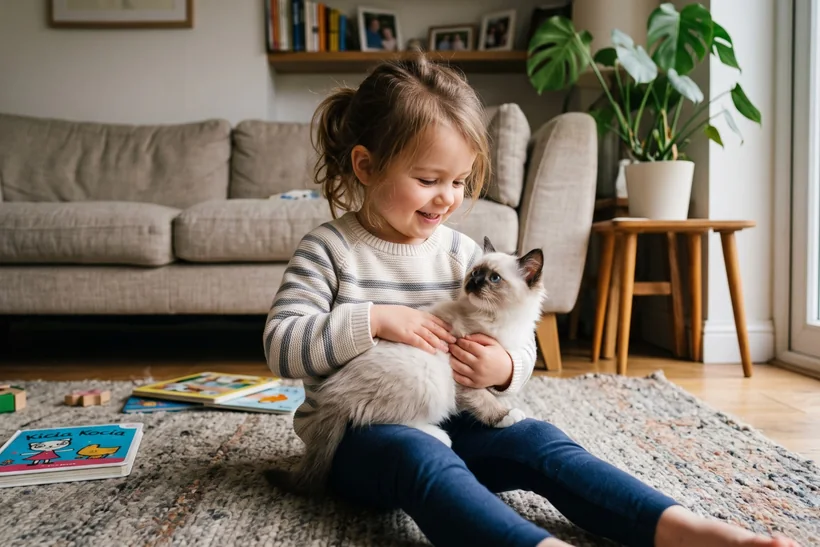
Which cat for a home with children?
With children, look for a stable temperament and teach gentle, respectful interaction from the start. If you are choosing a cat for a family with children, the individual cat’s gentleness, predictable household rules and access to a quiet retreat matter more than the breed label alone. Ragdoll is often considered by families looking for a calm, social companion, but every cat still needs individual assessment.
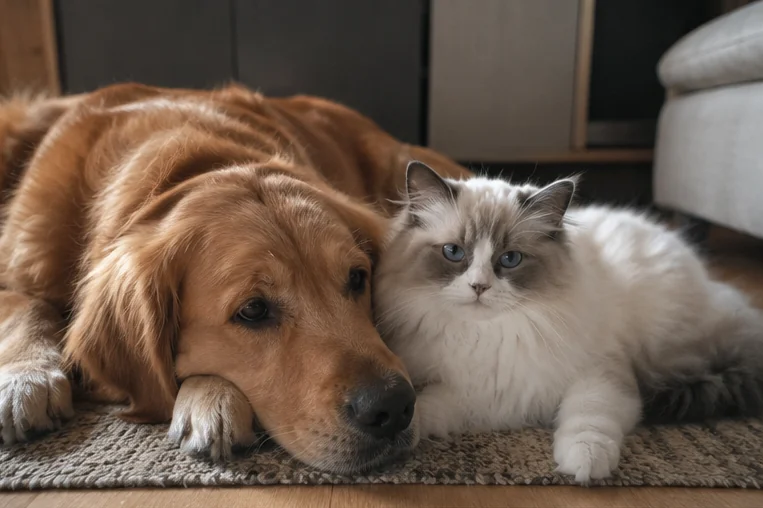
A cat and dog in the same home
Cats and dogs can live comfortably together when their temperaments are compatible and introductions are gradual and pressure-free. The cat needs escape routes and elevated spaces, while the dog should be able to remain calm around the cat. Breed tendencies can help, but they never replace a careful introduction.
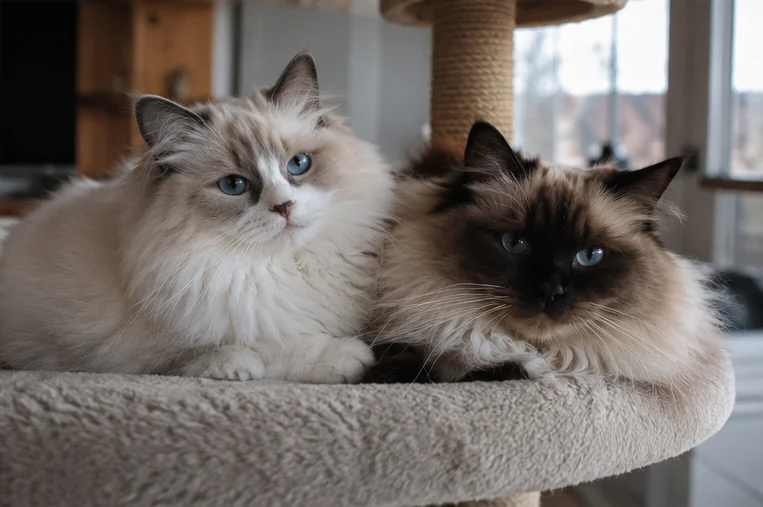
Bringing a second cat home
Rushing a second-cat introduction often makes the process harder. Start with separate spaces, let the cats become familiar with each other’s scent, then move to short controlled meetings. Two cats may form a close bond, but each should still have its own resources and places to rest.
Start with your lifestyle
Choose for the real rhythm of your home, not only for appearance.
Temperament is individual
Breed suggests tendencies; matching the individual cat still matters.
Explore Ragdoll
If you value calm companionship at home, continue with our Ragdoll breed guide.
FAQ
Common questions before choosing a pedigree cat
Which cat breed is best for an apartment?
There is no single breed that is ideal for every apartment. Activity level, safe space, daily play, resting areas and the individual cat’s temperament all matter.
Does a calm breed guarantee a calm cat?
No. Breed can suggest common tendencies, but genetics, socialization, experience and individual temperament also shape behavior.
Can a Ragdoll be a family cat?
Ragdolls are often associated with gentleness and sociability, so many families consider them. The individual cat’s temperament, respectful interaction with children and gradual adaptation still matter.
Does a large cat need a large house?
Floor area alone is not the deciding factor. Safe resting areas, scratching furniture, vertical space, play and suitable daily interaction are more important.
Which cat can suit a home with children?
There is no single breed for every family. The individual cat’s temperament, calm interaction, adult supervision and a private resting place are all important.
Can a Ragdoll live with a dog?
Yes, when the temperaments of both animals are compatible and introductions are gradual. The dog should remain calm around the cat, while the cat needs safe spaces the dog cannot reach.
Can a Ragdoll live with another cat?
Yes, when both cats have compatible temperaments and are given time for a calm introduction. Separate resources and resting places help at first, with shared time increased gradually.
How should I introduce a second cat?
The safest approach is gradual: separate spaces at first, scent exchange, then controlled contact and progressively longer periods together.
What should I check before buying a pedigree kitten?
Check cattery registration, the individual cat’s documents, raising environment, socialization approach and whether the breeder answers questions clearly about health, temperament and preparing the home.
Next step
Ragdoll may be the next step
If this profile fits your household, explore the Ragdoll guide, then learn about the mink / Cherubim specialization and current KittyHello litters.